

Growth, by itself, is not the same as shared prosperity. A city can become more famous without becoming more affordable.
It can attract billions of dollars in investment while longtime residents struggle to remain. It can build world-class stadiums, parks, and entertainment districts while leaving many of the people who built the city wondering whether there is still a place for them.

Let me be clear: Atlanta’s experience should not be viewed as a reason to reject growth. Cities need investment. Infrastructure matters. Economic development creates opportunities that benefit entire regions.
But growth should not be measured only by skylines, corporate headquarters, or international rankings. It should also be measured by whether teachers, nurses, sanitation workers, retirees, and families who have lived in a neighborhood for generations can still afford to call that neighborhood home.
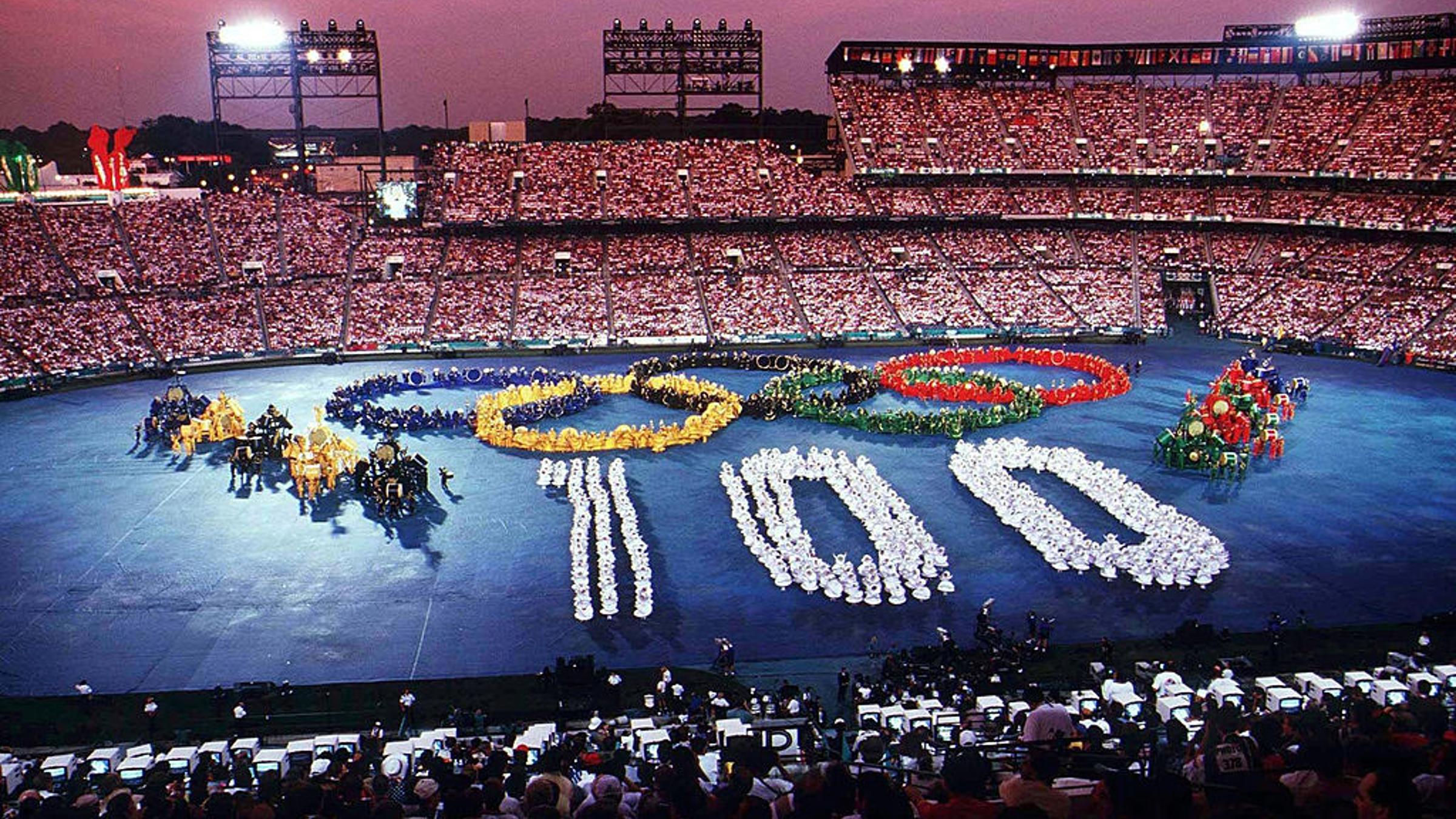
Thirty years later, Atlanta stands as one of America’s great success stories. It is more globally connected than anyone could have imagined in 1996.