

That non-constitutional space has since expanded. Since the dismantling of the INS and the creation of the Department of Homeland Security in 2003, immigration enforcement has become broader, more diffuse, and more deeply embedded in everyday life. Agencies like CBP and ICE, together with programs such as 287(g) and Secure Communities, have extended the reach of immigration enforcement far beyond the border itself. Researchers have also shown how immigration authorities increasingly rely on digital databases and ordinary records—such as driver’s license information, utility bills, and other routine data—to identify, monitor, and track migrants deep inside the United States. Immigration enforcement today is no longer confined to the physical border. It has become a vast interior regime of surveillance, policing, detention, and deportation.

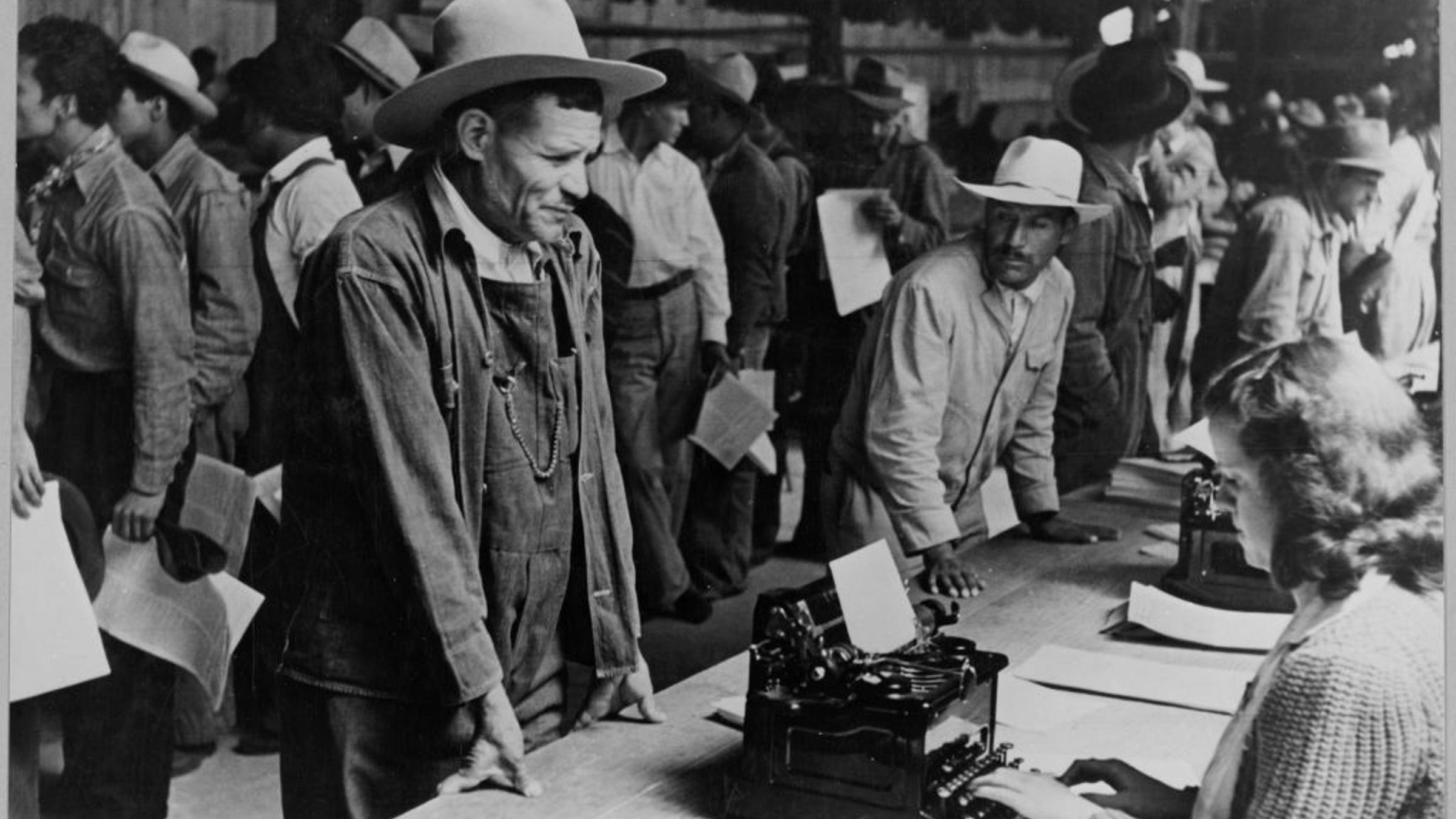
If the history of the Bracero Program teaches us anything, it is that temporary labor programs do not solve the “immigration problem.” They manage it by keeping a labor force precarious—useful to employers, but limited in its ability to make claims on the nation itself.