

But it is not yet clear whether Israeli forces’ withdrawal from southern Lebanon is a part of the condition for reaching a final peace deal, who would pay for the $300 billion rehabilitation fund, or how the U.S. would ensure the fund, along with Iranian assets it previously froze, would not be used to fund terrorist activities—issues that critics within Iran and the U.S. have raised concerns over.
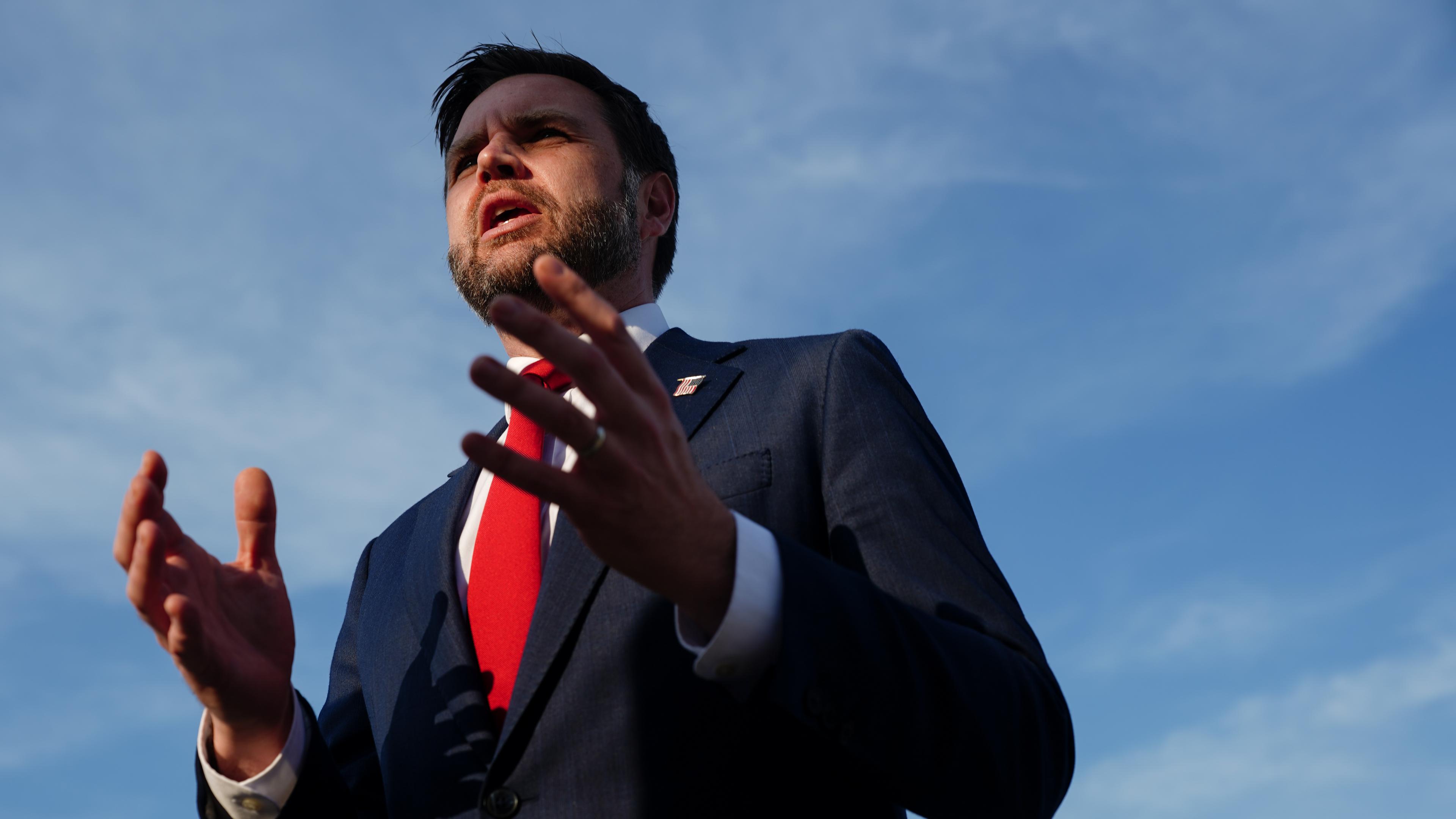
Vance struck an optimistic tone about the state of negotiations despite the apparently unresolved questions, however.

“We set the foundation. We haven’t built the house, but we’ve laid a successful foundation to get to a good place for the American people,” Vance said.
As the first round of U.S.-Iran talks conclude in Switzerland, the Trump Administration’s effort to negotiate a peace agreement is facing possible roadblocks at home. A skeptical Congress has repeatedly expressed concerns about the framework since its announcement. Sen. Ted Cruz of Texas, a Trump ally, on Friday joined a growing chorus of Republicans who have vocally criticized the President’s potential deal with Iran, saying on his podcast that the memorandum of understanding “doesn’t make any sense.”