

It’s not the way most people like to start their summer: on the toilet, experiencing repeated bouts of explosive diarrhea. But more than 700 people in the U.S. so far (and counting) have been infected with cyclosporiasis, an unpleasant gastrointestinal condition caused by the Cyclospora parasite.
Here’s what to know about the bug and the best ways to protect yourself from days, or even weeks, of uncomfortable GI symptoms.
What is cyclosporiasis?
Cyclosporiasis is an intestinal illness caused by the parasite Cyclospora cayetanensis, which can contaminate fresh produce and vegetables. Some people who get infected may not get sick, while others will experience runny diarrhea and frequent, explosive bowel movements. The good news is that cyclosporiasis is rarely fatal.
The primary way the parasite spreads is via human feces, so a lack of toilets and sanitation stations in fields where produce and vegetables are grown and harvested can be a major source of Cyclospora, public-health experts say. Because Cyclospora favor warm, damp conditions, it’s also possible that climate change is providing more fertile ground for the parasite to flourish.
How big is the current cyclosporiasis outbreak in the U.S.?
Since May, hundreds of cases of cyclosporiasis spanning 17 states have been reported, including some hospitalizations. However, the U.S. Centers for Disease Control and Prevention (CDC)’s website does not reflect cases after June 16. On average, the U.S. generally sees several thousand cases a year.
Michigan is one of the states most affected by the outbreak. Dr. Natasha Bagdasarian, an infectious-disease physician and chief medical executive for the state of Michigan, tells TIME that the state alone has reported more than 700 cases, which the department of health is currently investigating.
Bagdasarian says Michigan’s health department was first alerted to the potential of a widespread outbreak the first week of July. “Typically in the state we see 40 to 50 cases in an average year. But as soon as we started to see an uptick in more reports of cyclosporiasis than we normally see in this time frame, we became concerned.”
Most cases of the parasitic infection occur in people who have traveled abroad to countries where the bug is endemic, but in this case, doctors were reporting cases in people who had not traveled outside the U.S. The state health department is currently conducting in-depth interviews with people with confirmed cyclosporiasis—asking where they ate, which restaurants they frequented, what they ordered, and what they purchased at grocery stores—to find any potential sources of the contamination. But so far, it’s not clear if the outbreak was caused by any specific growers or producers.

Advertisement
While doctors are required to report cases of cyclosporiasis to state health departments, Bagdasarian says that those reports were likely delayed for a number of reasons. It takes up to two weeks for symptoms to appear. “A lot of people were probably managing the symptoms of diarrhea without seeking medical attention,” she says. “And when they do seek medical attention, doctors usually don’t immediately order a test [for cyclospora]. Even if they did, some routine stool tests don’t include cyclospora. So when we noted that upward trend, it was probably well after the first folks in Michigan had exposure to contaminated material.”
How do I know if I have cyclosporiasis?
While cyclosporiasis starts off with general symptoms of diarrhea and abdominal discomfort, doctors say that it differs from cases of food poisoning or other intestinal ailments because the symptoms tend to remain in the lower gastrointestinal tract and last for a long time, even weeks. Most cases of food poisoning due to E. coli or salmonella resolve after a few days, and people tend to vomit and feel nausea. If you’re infected with Cyclospora, you don’t generally vomit but experience watery, sometimes explosive diarrhea that may resolve and then return.
Advertisement
Can doctors test for Cyclospora?
Because it’s relatively rare, most standard testing panels don’t include Cyclospora, says Dr. Linda Yancey, an infectious-disease specialist at Memorial Hermann Health System in Texas. “The doctor has to specifically send off for a Cyclospora stain to detect it,” she says. “Outbreaks are rare and not nearly as frequent as [outbreaks] of listeria, E. coli, or salmonella.”
But because of the latest outbreak, more doctors are aware of the parasite and are likely to order testing for Cyclospora, especially if people haven’t experienced any relief from their diarrhea after several days. Doctors are also more likely to order the test for those at higher risk of complications from their infection, including very young babies and children, and people with weakened immune systems.
How is cyclosporiasis treated?
Most people can recover on their own, although the symptoms aren’t pleasant, says Yancey. But for those who might be at higher risk of complications, antibiotics sometimes help to shorten the illness.
Advertisement
How can I protect myself from getting cyclosporiasis?
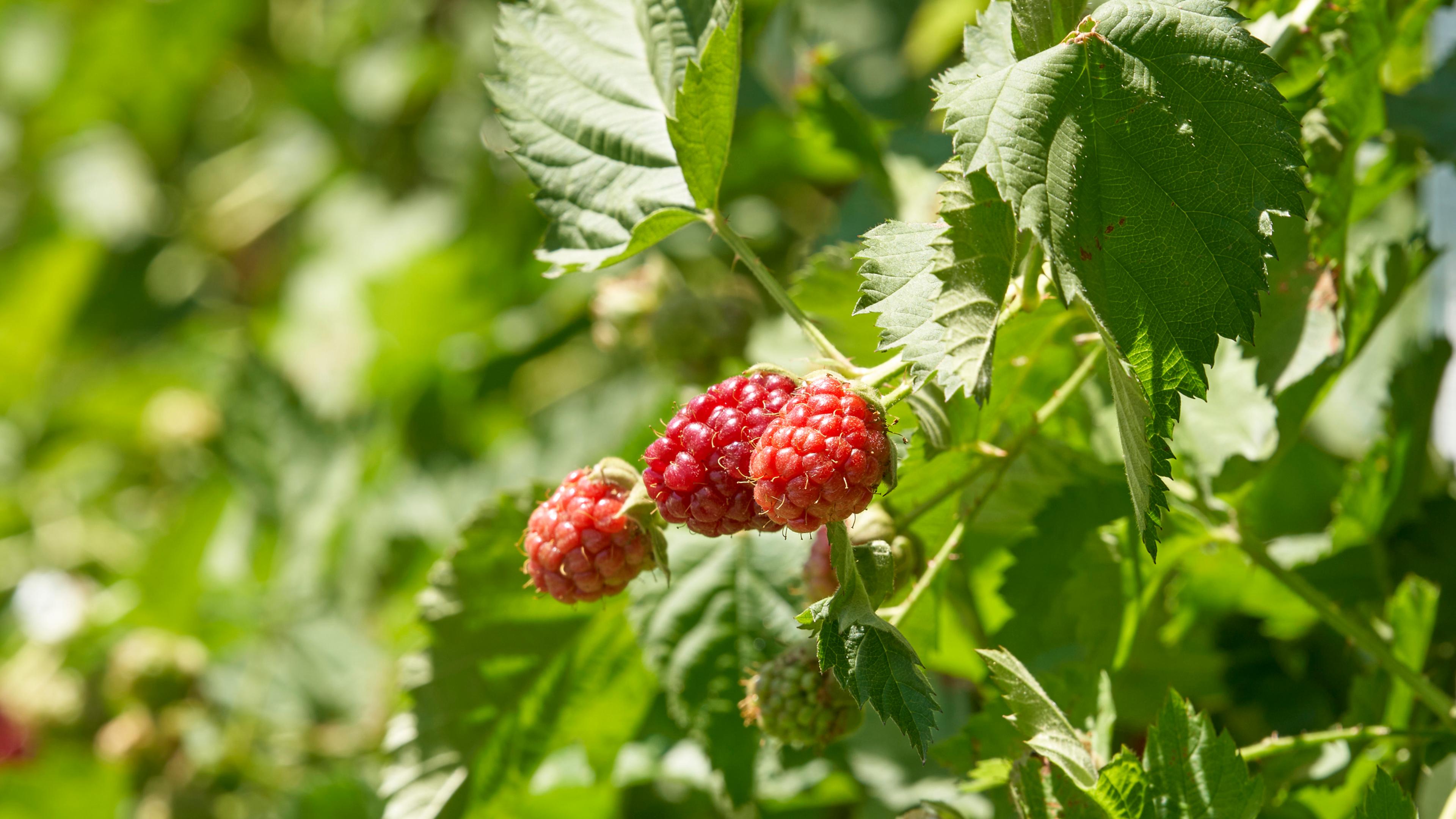
“Once produce is contaminated, [Cyclospora] is difficult to get rid of,” says Bagdasarian. Washing produce can physical remove some of it. That’s why certain fruits and vegetables with lots of nooks and crannies—like raspberries, blackberries, lettuce, cilantro, green onions, and basil—are more likely to harbor the parasite and cause illness. Foods like these are also less likely to be cooked, and heat can kill the parasite.
The best way to reduce the chances of eating contaminated food is to cook any produce or vegetables. As for fresh produce, like lettuce, opt for whole heads rather than bagged leaves, Yancey recommends, since you can remove the outer leaves, which are more likely to be contaminated. (Thoroughly wash the remaining ones.) To help protect yourself during the ongoing outbreak, Yancey recommends smoother fruits like grapes and blueberries that are easier to wash and scrub.
Advertisement
Does the U.S. government inspect fresh produce for potential contamination?
Yes, the U.S. Food and Drug Administration (FDA) inspects both domestically grown and imported food products, including conducting random checks at growing and processing facilities. But, says Yancey, “unfortunately with so many budget cuts, every federal agency is hurting for personnel and resources. We could be at greater risk of foodborne infections because the FDA is so understaffed and underfunded right now.”
It’s not clear yet whether the current outbreak originated in domestically grown or imported food, but Bagdasarian says that improving sanitation in fields, and improving the quality of rinsing water used to wash produce after it’s been harvested, could help to reduce risk of contamination.